
Introduction: Why Private Label Requires Structure, Not Assumptions
Private label dried fruit sourcing is not an upgraded version of bulk trade—it is a different commercial model with different responsibilities on both sides. While bulk exports focus on volume, pricing, and logistics efficiency, private label programs are built around brand ownership, regulatory alignment, and operational coordination.
Iranian dried fruit exporters with private label capability typically operate structured production lines, standardized quality controls, and defined packaging workflows. However, many importers underestimate the level of preparation required on their side, especially during early-stage discussions.
This article explains what professional importers should clarify before placing a private label order, while also highlighting how experienced Iranian exporters streamline this process to reduce friction, delays, and risk for both parties.
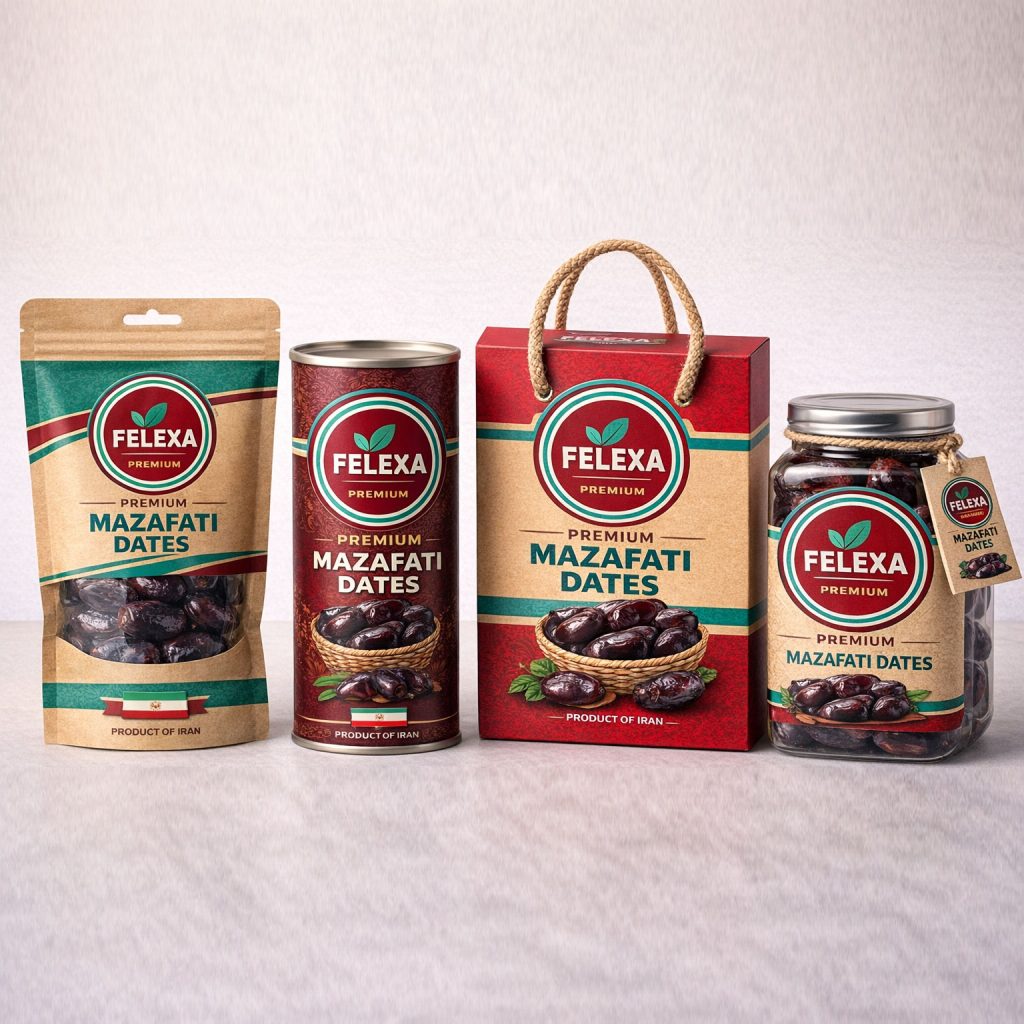
1. MOQ in Private Label: Why It Exists and How It Benefits Both Sides
Minimum Order Quantity (MOQ) in private label is often misunderstood as a barrier. In reality, MOQ exists to ensure production efficiency, cost stability, and quality consistency.
Unlike bulk orders, private label production involves:
Dedicated packaging materials
Separate production scheduling
SKU-specific batch tracking
Brand-specific quality checks
From an exporter’s perspective, MOQ ensures:
Stable line utilization
Controlled packaging inventory
Consistent output quality
What Importers Should Clarify Early:
Is MOQ defined per SKU, per pack size, or per design?
Does MOQ apply per shipment or per production run?
Can the first order be structured as a pilot run?
Professional exporters often offer scalable MOQ models, where quantities increase progressively as the brand grows—creating a win-win structure.
2. Packaging Design: Clear Roles Prevent Delays
Packaging is one of the most sensitive elements in private label cooperation. The key to smooth execution is clear role allocation, not complexity.
Industry Best Practice:
Importer defines brand identity and market-facing design
Exporter ensures technical feasibility, print accuracy, and packing execution
Iranian exporters with private label experience typically work with:
Flexible packaging formats
Multiple printing vendors
Compliance-oriented packing workflows
Critical Coordination Points:
Final design approval before printing
Packaging specifications aligned with filling machines
Confirmation of material type (PET, Kraft, laminated, recyclable)
When roles are clearly defined, packaging becomes a controlled process rather than a negotiation point.
3. Brand Ownership: A Foundation, Not a Dispute
In structured private label programs, brand ownership is straightforward:
The brand belongs to the importer
The exporter manufactures and packs under instruction
Professional exporters do not claim brand rights; instead, they focus on execution quality and long-term cooperation.
What Should Be Confirmed:
Brand usage limited to the importer’s purchase orders
No reuse of packaging or brand elements
Confidential handling of artwork and specifications
This clarity protects both sides and builds trust for repeat business.
4. Lead Time: Understanding the Full Production Cycle
Private label lead time reflects real operational steps—not inefficiency.
A standard private label cycle includes:
Raw material preparation
Packaging material readiness
Printing and delivery
Packing line scheduling
Batch inspection and documentation
Typical timelines:
Bulk orders: 1–2 weeks
Private label orders: 4–8 weeks
Experienced exporters provide realistic timelines upfront, allowing importers to plan launches and promotions accurately.
5. Quality Control Under Private Label: Shared Responsibility, Clear Process
Under private label, product quality directly represents the importer’s brand. Iranian exporters with private label capability typically operate:
Dedicated batch separation
Lot coding and traceability
Pre-shipment quality checks
Exporter-Side Strengths:
Consistent raw material sourcing
Standardized grading and sorting
Documented quality procedures
Importer Benefits:
Predictable quality output
Reduced consumer complaints
Stronger brand reputation
Third-party inspection can be integrated smoothly when requested.
6. Pricing Transparency: Why Private Label Pricing Is Structured
Private label pricing is not just product cost—it reflects a service stack.
Cost components may include:
Raw product
Packaging materials
Printing setup
Packing labor
Batch control
Professional exporters typically separate:
One-time setup costs
Recurring unit costs
This structure allows importers to:
Forecast margins accurately
Reduce costs as volume scales
Avoid pricing surprises
7. Common Importer Mistakes (and How Exporters Help Avoid Them)
Frequent issues seen in private label projects:
Too many SKUs in the first order
Unfinalized packaging specs
Late design changes
Regulatory assumptions
Experienced exporters guide importers toward:
SKU rationalization
Step-by-step scaling
Locked specifications before production
This guidance reduces delays and protects both sides from unnecessary cost.
8. Special Section: European Importers & Private Label Requirements
European private label programs require higher regulatory precision, and successful execution depends on proper responsibility alignment.
Key Principle:
European importers are best positioned to control market-facing elements.
Packaging Design & Language
Importers should provide the final artwork
All text must be in the destination market language(s)
Regulatory phrasing is importer-driven
Exporters execute strictly according to approved files.
Importer Identification on Packaging
Under EU regulations:
The importer’s legal name and address must appear on the package
This responsibility belongs to the importer, not the exporter
Exporters place this information exactly as provided.
Barcodes (EAN / GS1)
Barcode ownership and registration is the importer’s responsibility
Importer supplies the barcode
Exporter prints and applies it during packing
This ensures retail system compatibility across Europe.
Certifications & Claims
If the importer holds specific certifications (organic, sustainability, retailer standards), they must provide documentation
If certification is exporter-held and applicable, it can be displayed with approval
Any on-pack claim must be mutually confirmed before printing
This prevents regulatory risk at customs or retail level.
Why This Model Works Best
European importers:
Know their local authorities
Understand language nuances
Control retail compliance
Exporters:
Ensure production accuracy
Maintain product quality
Execute packaging flawlessly
This division of responsibility is efficient, compliant, and scalable.
9. Why Structured Exporters Are Preferred for Private Label
Professional Iranian exporters offering private label services typically provide:
Defined workflows
Clear documentation
Predictable output
Long-term cooperation mindset
This reduces friction and allows importers to focus on market growth, not production troubleshooting.
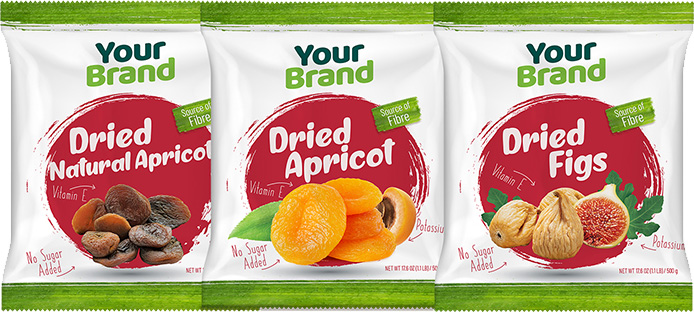
Private Label Success Is Built on Coordination, Not Complexity
Private label dried fruit sourcing from Iran is highly viable when both sides operate within a clear, professional framework. Importers who understand their responsibilities—and exporters who provide structured execution—create partnerships that scale smoothly over time.
By aligning on MOQ logic, packaging roles, lead times, and regulatory ownership, private label programs move from transactional sourcing to brand-driven growth.
Exporters who specialize in private label execution simplify complexity, protect brand integrity, and deliver consistent results—making them strategic partners rather than just suppliers.