
Living with diabetes is not just a medical condition; it is a lifestyle journey that requires careful choices every day. Among the most challenging aspects of diabetes management is snacking. For many people, snacks are a way to satisfy cravings, boost energy, and maintain concentration between meals. Unfortunately, most modern snacks are packed with refined carbohydrates and sugars, leading to sharp blood glucose spikes and long-term health risks.
But what if there was a way to enjoy snacks that are not only naturally sweet and satisfying, but also beneficial for blood sugar balance? The answer lies in low-glycemic dried fruits, particularly the sun-drenched treasures of Iran: dried apricots and dried figs. These fruits bring together tradition, science, and taste, offering a diabetes-friendly alternative to processed snacks.
—
Understanding the Glycemic Index: Why It Matters for Diabetes
The glycemic index (GI) is a critical tool in diabetes nutrition. It ranks foods based on how quickly they raise blood glucose levels compared to pure glucose.
High-GI foods (70 and above) cause rapid blood sugar spikes.
Medium-GI foods (56–69) raise glucose at a moderate rate.
Low-GI foods (55 or below) are slowly digested and absorbed, leading to gradual increases in blood sugar and insulin.
For individuals with diabetes, choosing low- to medium-GI foods is key. These foods support:
Stable energy release across the day.
Improved satiety, reducing unnecessary snacking.
Better insulin sensitivity and reduced long-term risk of complications.
Both Iranian dried apricots and dried figs fall into the low-to-moderate GI range, making them ideal candidates for healthy, diabetes-friendly snacking.
—
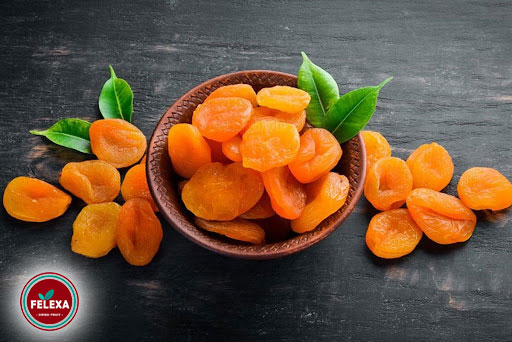
Iranian Dried Apricots: A Jewel of Balanced Nutrition

Apricots have been cultivated in Iran for thousands of years, thriving in the country’s fertile valleys and dry climates. When dried naturally under the sun, apricots retain their vibrant orange hue, intense flavor, and dense nutrient profile without the need for artificial additives.
Nutritional Highlights of Dried Apricots:
Glycemic Index: Typically between 30–50, well below many conventional snacks.
Dietary Fiber: A single serving contains 2–3 grams of fiber, which slows digestion and moderates blood sugar.
Vitamins: Rich in vitamin A (beta-carotene), essential for eye health, and vitamin E, a powerful antioxidant.
Minerals: High potassium levels support heart and kidney health, while iron contributes to red blood cell production.
Specific Benefits for Diabetes:
- Blood Sugar Regulation : The combination of soluble and insoluble fiber slows glucose absorption.
- Weight Management : Fiber promotes satiety, which is crucial since obesity is a major risk factor for type 2 diabetes.
- Cardiovascular Protection : Potassium helps regulate blood pressure, reducing cardiovascular risks associated with diabetes.
- Vision Support : Vitamin A and carotenoids protect against diabetic retinopathy, a common complication.
—
Iranian Dried Figs: Ancient Wisdom Meets Modern Nutrition
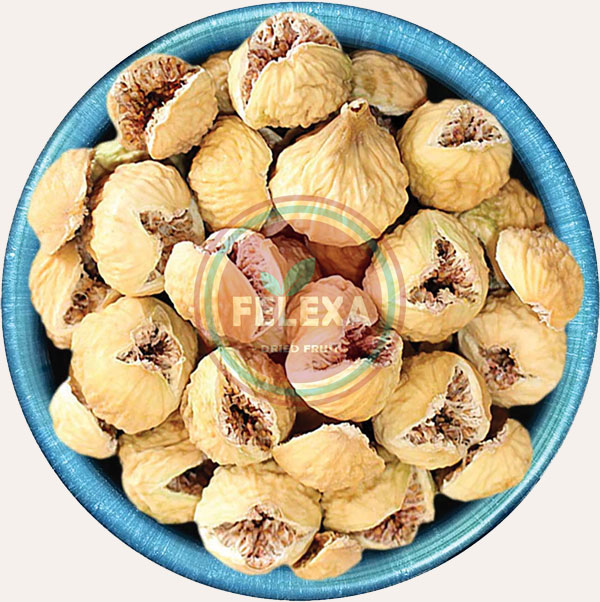
Figs are among the oldest fruits cultivated by humankind, with deep roots in Persian history, culture, and medicine. Iranian figs, known for their natural sweetness and soft texture, remain one of the country’s most prized agricultural exports.
Nutritional Highlights of Dried Figs:
Glycemic Index: Typically around 40–55, depending on drying method and variety.
Fiber: Exceptional source of soluble fiber (pectin), which binds to glucose in the gut and slows absorption.
Micronutrients: Abundant in calcium, magnesium, and zinc, which are essential for bone strength, nerve function, and insulin regulation.
Polyphenols and Antioxidants: Combat oxidative stress, a key contributor to diabetic complications.
Specific Benefits for Diabetes:
- Improved Insulin Sensitivity – Magnesium and polyphenols enhance the body’s response to insulin.
- Digestive Support – High fiber content reduces constipation and supports gut health, which indirectly influences metabolic control.
- Bone Health – Calcium and magnesium counteract bone density loss, a risk factor in long-term diabetes.
- Satisfying Sweetness – The natural fructose content curbs cravings without refined sugar spikes.
—
Apricots and Figs Together: A Functional Food Synergy
While each fruit is impressive on its own, combining dried apricots and figs provides a unique synergy.
Balanced Energy: Apricots deliver beta-carotene and potassium, while figs add calcium and magnesium. Together, they cover a wider nutritional spectrum.
Enhanced Satiety: A mix of soluble and insoluble fibers supports appetite control and digestive health.
Flavor Harmony: Apricots offer a tangy-sweet flavor, figs a rich honey-like sweetness. Together, they create a balanced snack that satisfies cravings.
—
Practical Ways to Enjoy Them in a Diabetes-Friendly Lifestyle
Incorporating these fruits into a balanced diet doesn’t have to be complicated. Here are practical and inspiring ideas:
- Smart Snacking
Eat 2–3 dried apricots or figs mid-morning with a handful of almonds or walnuts.
This pairing provides fiber, healthy fats, and protein for steady energy.
- Breakfast Boost
Chop and mix into plain Greek yogurt or oatmeal.
The protein-fiber combination helps regulate post-meal glucose.
- On-the-Go Energy Pack
Blend figs, apricots, and seeds into small homemade energy bites—no added sugar required.
- Gourmet Touch
Add sliced dried apricots and figs to salads with leafy greens, feta cheese, and olive oil.
This turns a simple dish into a nutrient powerhouse.
- Post-Exercise Recovery
The natural sugars help replenish glycogen stores, while minerals restore electrolyte balance.
—
Scientific Evidence: What Research Shows
Recent studies have highlighted the role of dried fruits in diabetes management:
A 2011 study published in the Journal of the American College of Nutrition found that low-GI dried fruits improve glycemic control when consumed instead of high-GI snacks.
Research in Nutrition & Metabolism (2013) demonstrated that fig leaf extracts improve insulin sensitivity and may reduce the need for external insulin in type 2 diabetes patients.
A 2019 review in Nutrients emphasized that dried fruits rich in fiber and antioxidants help reduce oxidative stress and inflammation, key drivers of diabetic complications.
Together, these studies confirm what Persian tradition has long celebrated: apricots and figs are more than food—they are functional allies in health.
—
Cultural and Inspirational Dimensions
In Persian culture, dried fruits symbolize balance, abundance, and vitality. Traditionally served at Nowruz (the Persian New Year) or during family gatherings, they carry meanings beyond nutrition. For centuries, Iranian households have offered dried apricots and figs to guests as a sign of respect and hospitality.
Today, this tradition finds new relevance. In an age of rising diabetes rates worldwide, these fruits embody the possibility of connecting ancient wisdom with modern health science. They remind us that nourishing the body can also uplift the spirit.
—
Sustainability and Quality: Why Source Matters
Iran’s unique geography—mountainous terrain, fertile soils, and abundant sunshine—creates ideal conditions for apricot and fig cultivation. Traditional sun-drying techniques preserve the fruits naturally, ensuring minimal processing and retaining maximum nutrients.
Companies like Felexa work directly with local farmers, combining generations of agricultural knowledge with modern quality standards to deliver authentic dried apricots and figs to international markets.
By choosing authentic Iranian dried fruits, consumers benefit from:
Superior Taste and Texture– Naturally sweet, without artificial enhancers.
Nutrient Density– Sun-dried under optimal conditions, locking in antioxidants.
Ethical Sourcing– Supporting local farmers who rely on sustainable agriculture.
—
Conclusion: Nourishment Beyond Numbers
Managing diabetes doesn’t mean giving up the joy of eating. It means choosing wisely—selecting foods that nourish, satisfy, and protect. Iranian dried apricots and figs embody this principle. They are low-glycemic, fiber-rich, antioxidant-packed, and culturally meaningful.
For anyone seeking diabetes-friendly snacking solutions, these fruits offer a path to balance. Producers like Felexa are dedicated to sharing the highest-quality Iranian dried apricots and figs with the world, ensuring both health and authenticity.
They prove that sweetness can coexist with health, and tradition can harmonize with science. In every bite, there is both nourishment and inspiration—a reminder that health is not only about restriction but also about embracing nature’s gifts with wisdom and gratitude. With Felexa, this experience becomes accessible to health-conscious consumers everywhere.